
A BLOG BY MEMRA

LANGUAGE DOES MORE
Featured Post
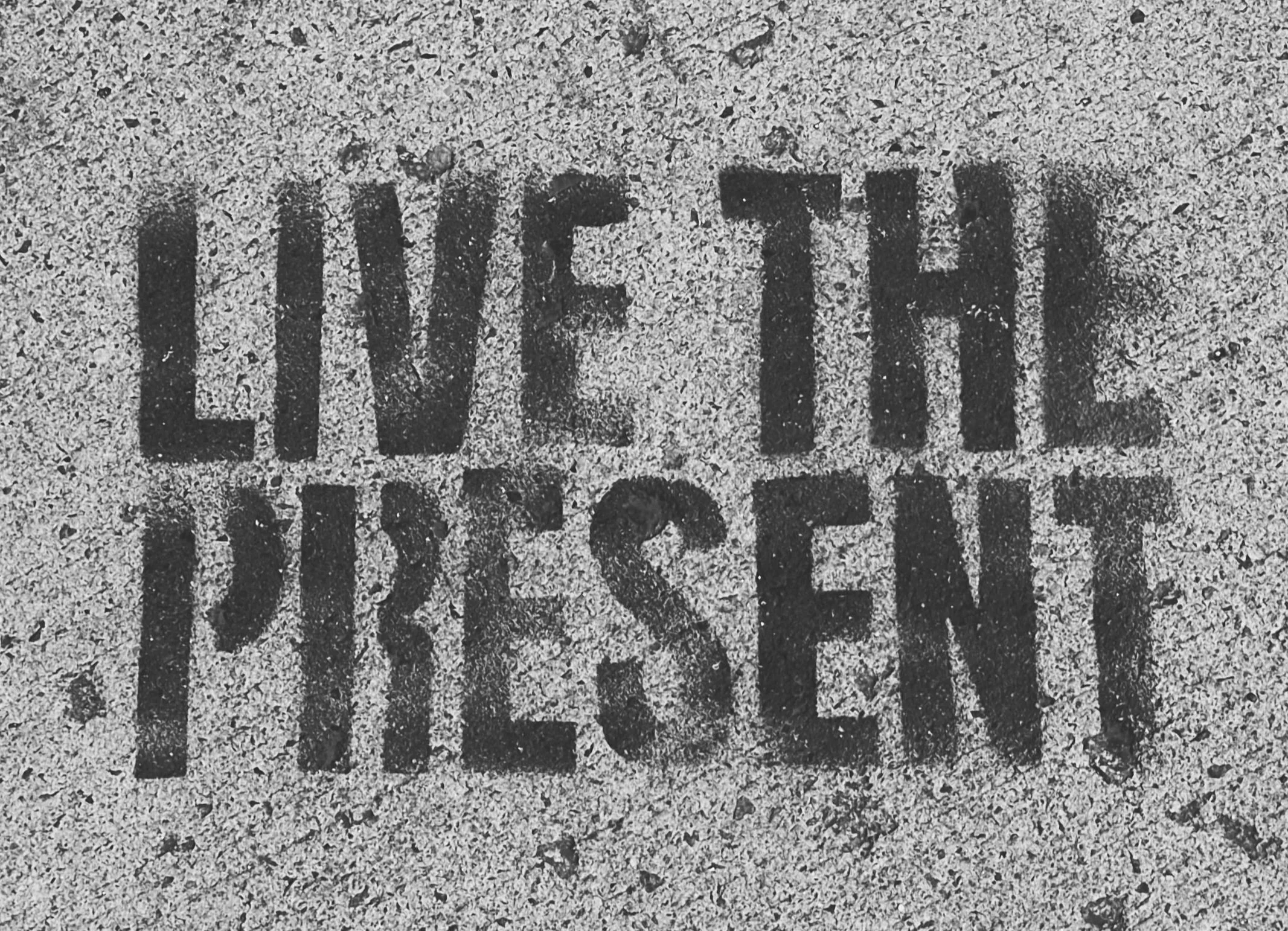
1. How can a tiny grammatical choice change the persuasive force of an opinion?
2. Why does present tense make a speaker sound more confident, and why does that confidence matter for persuasion?
3. What does verb tense reveal about the difference between sharing an experience and making a claim?

Top Posts
1. Demographics
2. Swearing
3. Codeswitching

From the team at Memra
Tags
LANGUAGE DOES MORE
More Posts
1. How can a tiny grammatical choice change the persuasive force of an opinion?
2. Why does present tense make a speaker sound more confident, and why does that confidence matter for persuasion?
3. What does verb tense reveal about the difference between sharing an experience and making a claim?
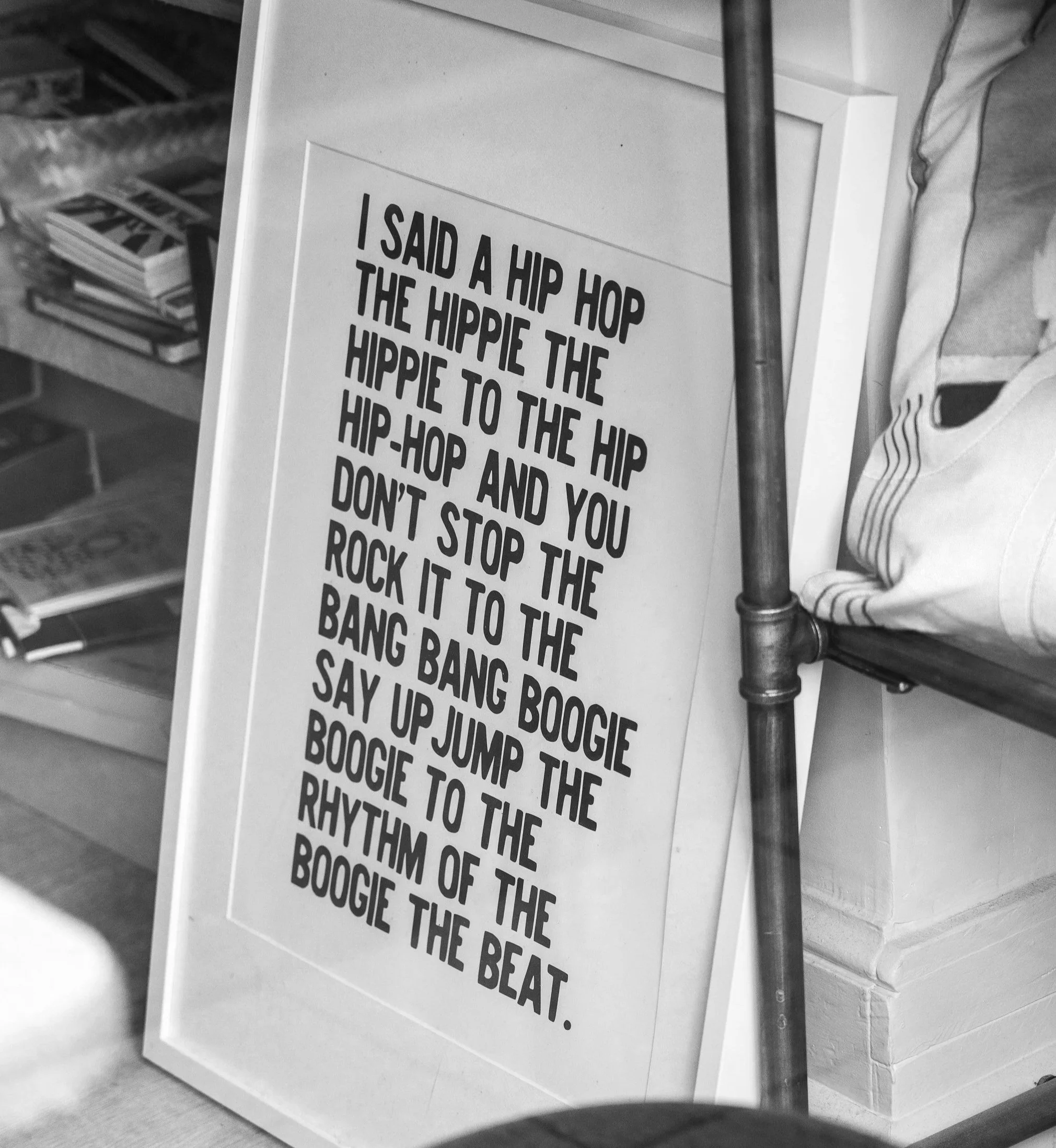
Can AI Models predict which songs will be successful based on lyrics alone?
What linguistic features do labels track for predicting success?
What is the difference between predicting art and creating it? What do models miss?
How has data science and linguistic changed the film industry?
Do streaming shows have their own “dialogue”?
Is language optimization in film worth the cost of linguistic diversity and creativity?
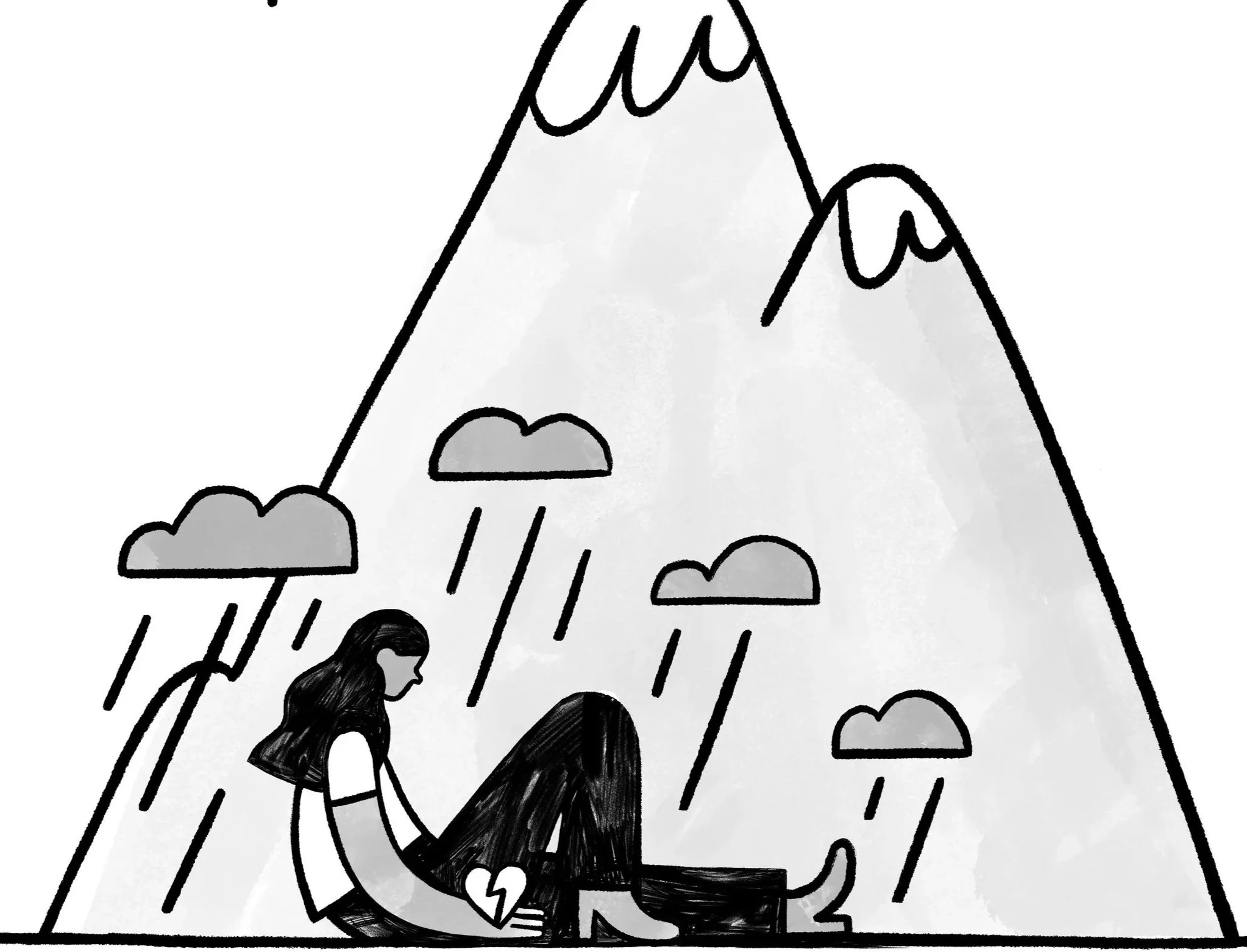
Do words reveal out inner world?
Can how we talk (structure) tells us more about our mental state than what we say (content)?
Can language analysis predict clinical depression before we even realized we’re depressed?
To what extent is it ethical to leverage AI to help identify early signs of depression?
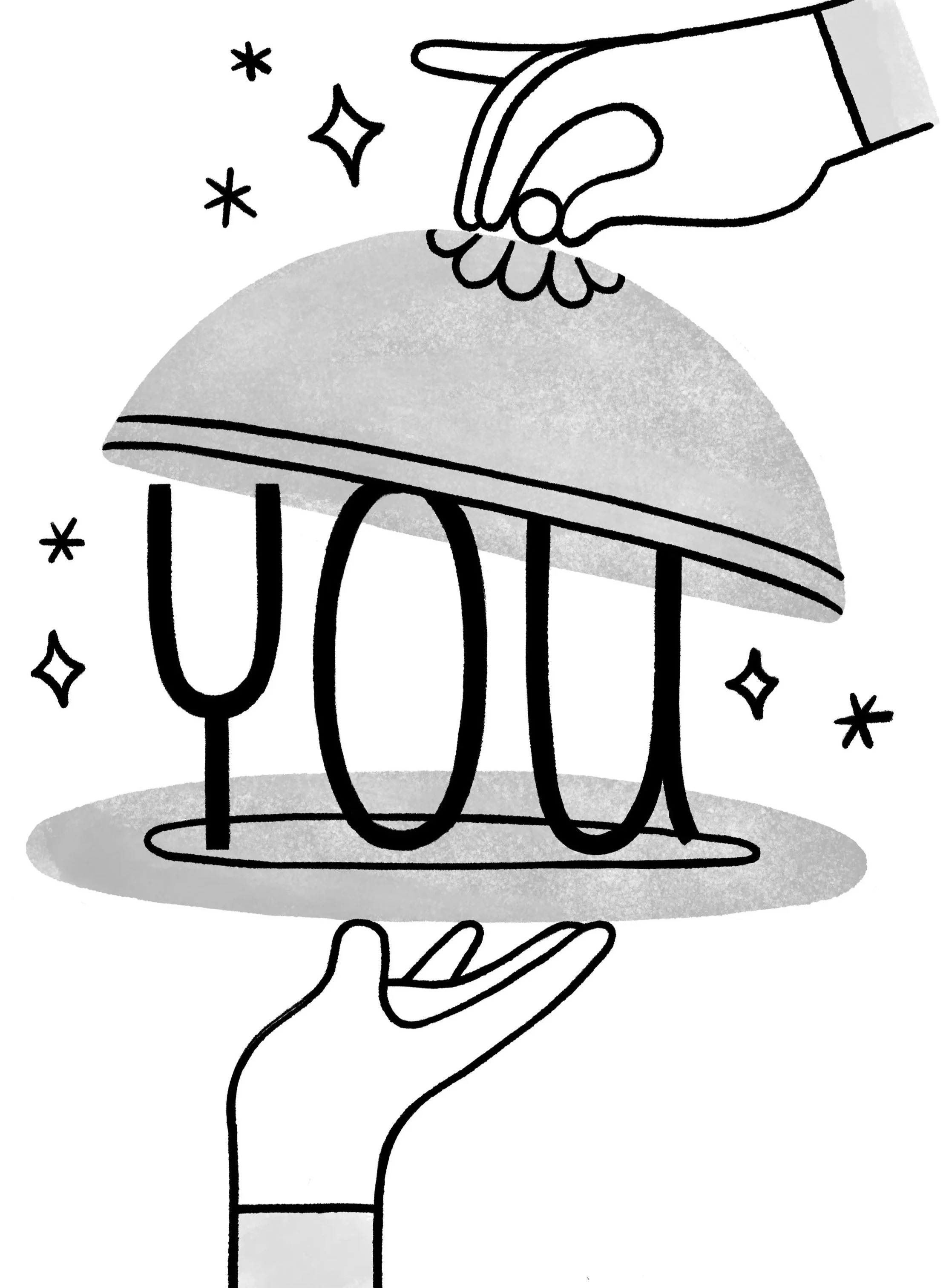
What is the impact of small parts of speech in marketing language?
In what ways does using “you” connect with audiences more than other pronouns?
How can we apply insights about human connection in marketing language to our everyday relationships?
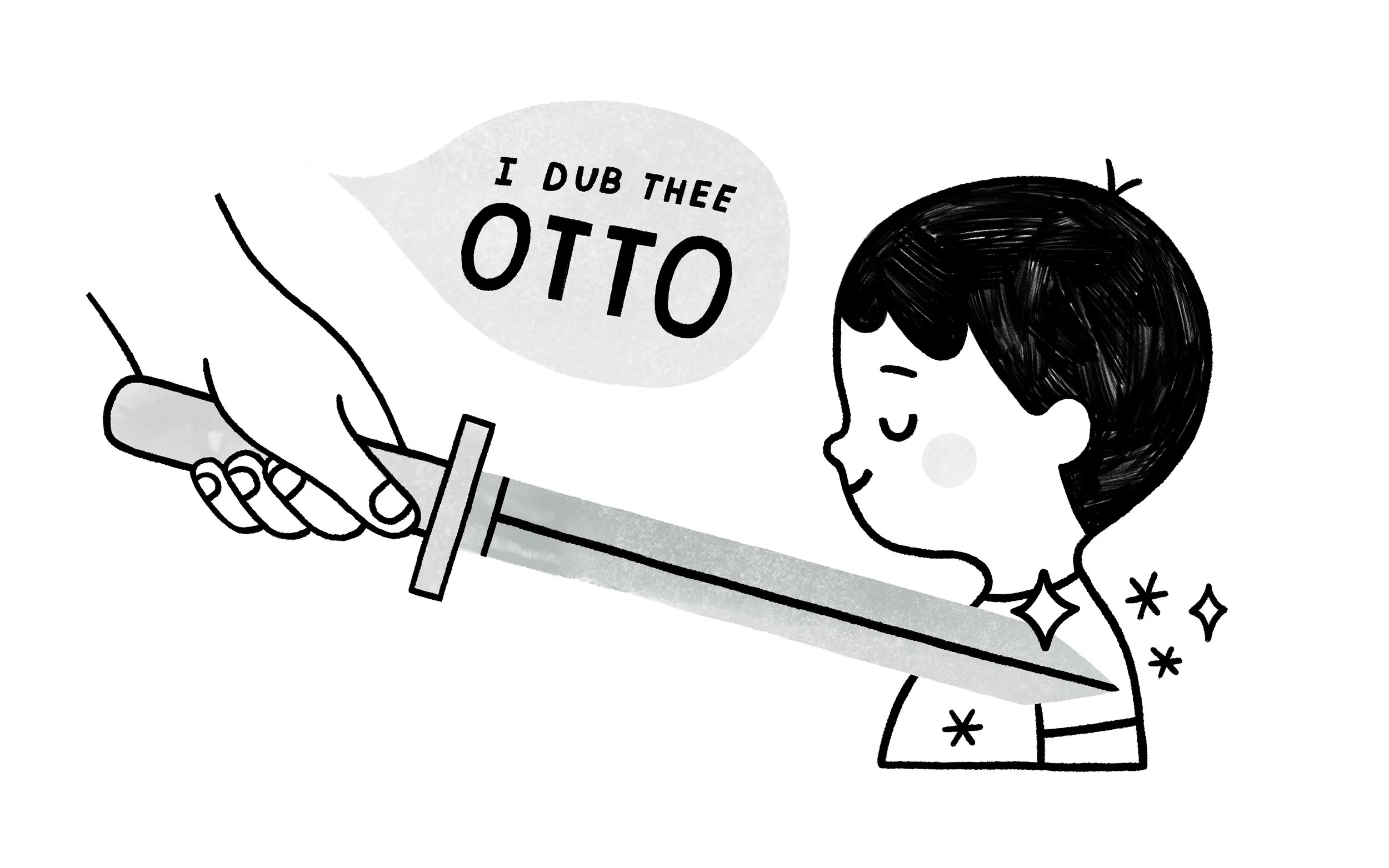
Why do we give things/people nicknames?
What does a nickname do to a relationship?
How do brand nicknames impact sales?

What are the benefits of AI technology in mental health treatment?
What are the dangers?
How can we understand the differences between human responses to mental health red-flags and machine responses?

Why do some languages have words for things while others do not?
Does it matter that English doesn’t have words to express certain ideas?
Are there certain ideas or experiences for which “there are no words”?

Why do people gesture when they speak?
Is gesture universal across languages?
When should I leverage gesture in a conversation?

How do words become pejorative/problematic?
Does changing a word actually change how we feel about the thing the word represents?
What is the Euphemism Cycle, and is there a way to break it?

How do the different varieties of American English impact remote-first work?
What do I need to know about dialects in the USA?
Is it rude to acknowledge someone’s dialect at work?

“It wasn’t just the challenging gameplay that drew me in, but the richness of the narrative experience, driven by language, tone, and subtext. It made me think: what if the game could understand me, too? This is where language analytics is beginning to shift the future of gaming.”

What are the true risks of mass LLM (Large Language Model) use?
Is AI really after our jobs…or actually after our souls?
What is language really FOR?

What is Natural Language Processing (NLP)?
How and why do business leverage NLP for analytics?
What are the limitations of NLP? How can linguistics fill the gap?

Is everyone either a “language person” or a “math person”?
Is language essential for learning math?
What parts of our brain do we use to learn math vs language?

Does it matter that language changes?
Why does the older generation tend to worry that English is falling apart?
What is phatic language?

How do businesses use analytics to stay on top of evolving internet culture and language?
Does the internet speak its own language? If so, what is it?
In what ways is internet culture indexed in internet language?

Language Does More: Dialect Analytics for Marketing Strategy
What are regional dialects and how do they influence individual perception?
What are some tools brands can use to navigate the marketing complexities of regional dialects?
In what ways do language change and linguistic context pose challenges to many Natural Language Processing strategies for marketers?

What are keywords, and why do they matter?
In what ways are keywords connected to inclusive/hospitality language?
Where do keywords get their complex meanings from?

How can we tell whether a sentence was written by AI or a person?
Does it matter whether an email was written from a unique, creative human brain, or simple formed by data scraped off the web?
How can we understand our creative ability to write and speak as being separate from what a machine can do?

What is Gender-Neutral Language?
How does the historical usage of Singular They impact our understanding of its usage today?
What does language change tell us about society?

How linguistically diverse is the U.S., really?
Why does the U.S. have such a strange relationship with multilingualism compared to the rest of the world?
How can we re-define what constitutes “professional” language to better take advantage of linguistic diversity?

Have you always been curious about what Memra is ACTUALLY doing? Read about some of the projects Memra has done in the Insurance/Finance Industry.

Have you always been curious about what Memra is ACTUALLY doing? Read about some of the projects Memra has done in the Biotech Industry.

What is Standard Male Conversational Style, and how did it become the standard for workplace communication?
Are there any disadvantages to adopting Standard Male Conversational Style?
What can gendered language teach us about the need to balance IDENTITY and AGENCY in the workplace?

Can speech patterns gendered? If so, why and how?
Are there statistically significant differences between the way that men and women speak? Or is it our own flawed perception that men and women talk differently?
If these differences are “real”, how is being aware of gendered speech patterns beneficial to us as workers?

Collaboration and cooperation are linguistic tasks.
How can we define collaborative conversation by their language patterns?
How do teams fail to collaborate? How do they collaborate successfully?
What are some strategies to ensure effective collaboration?

What are some emerging linguistic trends in the workplace, and how do these trends vary by age or position in the company?
Where does slang come from, how do we interpret different people’s uses of slang depending of age, gender, race, and sexuality?

What is codeswitching, why do linguists study it, and why is it important to consider in business settings?
Who codeswitches? Is race the only relevant demographic category for code-switching?
What is the “freedom from codeswitching” movement, and is it realistic to eliminate codeswitching in business settings?

What is swearing? Why do humans collectively decide that some words are “bad words”?
How is swearing interpreted differently based on speaker and context? Where does the workplace fit into all of this?
How do younger generations impact swearing norms in the workplace?
